

The brain science behind psychedelic research — explained for Silicon Valley
Peer-reviewed neuroplasticity research and California legal context — for San Jose and the Silicon Valley metro. Factual. Educational. No commercial framing.

What is neuroplasticity — and why academic researchers are studying it alongside psychedelic compounds
Neuroplasticity is the brain’s capacity to reorganize itself by forming new neural connections. This capacity continues throughout adult life. It is the foundational concept behind learning, behavioral change, and recovery from certain neurological conditions.
A body of peer-reviewed literature — published in journals including Neuron, JAMA Psychiatry, and Pharmacological Reviews — has examined whether and how certain psychedelic compounds interact with neuroplastic mechanisms. This page summarizes that published research neutrally, without clinical claims or use guidance.
The goal of this resource is to present the peer-reviewed evidence clearly, accurately, and without commercial framing, for residents who want to understand the science.
“The brain has the remarkable ability to reorganize itself by forming new neural connections throughout life.”
What researchers are examining
Several Bay Area universities and research institutions are active participants in psychedelic science. This resource presents the published findings in plain language, for informational purposes only. No inference about personal use should be drawn.

accurately and without commercial framing.
The REBUS model: how researchers describe psychedelic compounds and the brain’s prediction architecture
REBUS — Relaxed Beliefs Under Psychedelics — published by Carhart-Harris and Friston in Pharmacological Reviews (2019). A theoretical framework for understanding the neurological mechanism of psychedelic compounds.
The core concept
What the academic research literature examines
A plain-English documentary explainer — 10 scenes, approximately 2 minutes 30 seconds. A research education series.
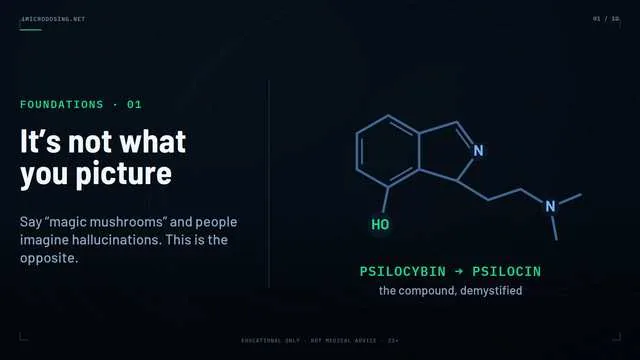 SCENE 01
Academic literature on psychedelic compounds describes a practice that looks nothing like what most people picture when they hear the term.
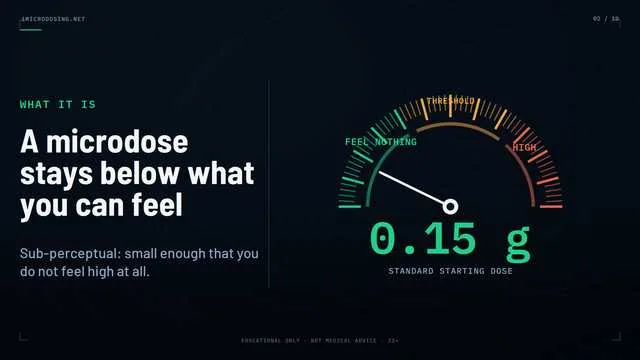 SCENE 02
Published academic studies systematically document outcomes in controlled laboratory settings, with findings reported across peer-reviewed journals including Neuron and JAMA Psychiatry.
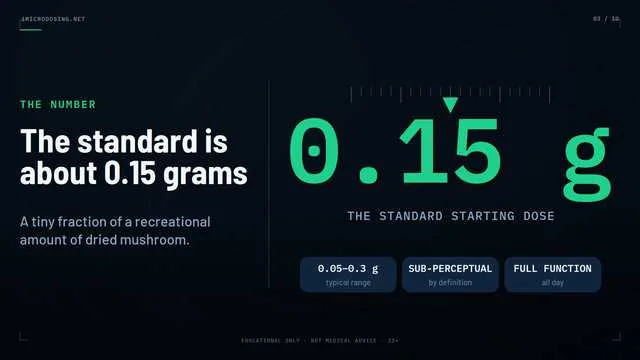 SCENE 03
Academic findings on this compound appear consistently across peer-reviewed journals, with independent research institutions publishing comparable results over multiple years.
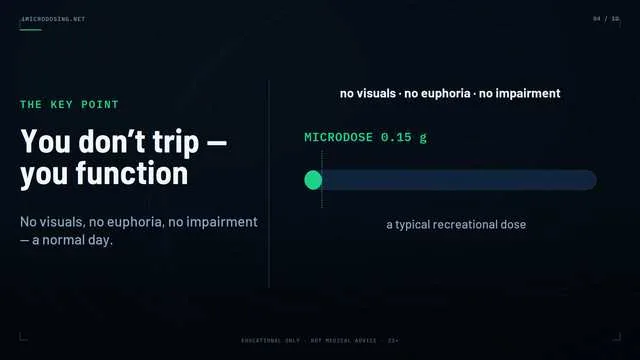 SCENE 04
Published research documents that participants maintained ordinary daily functioning throughout. These findings appear consistently across multiple independently conducted peer-reviewed studies.
 SCENE 05
Academic literature documents this as a published research context — distinct from recreational use patterns in the peer-reviewed record.
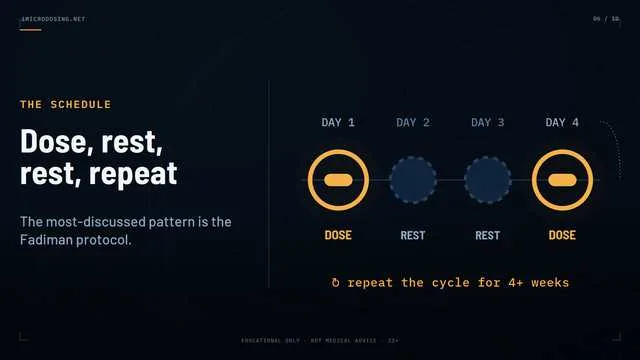 SCENE 06
Published literature describes reported research design characteristics that appear consistently across peer-reviewed journals examining this compound over more than a decade.
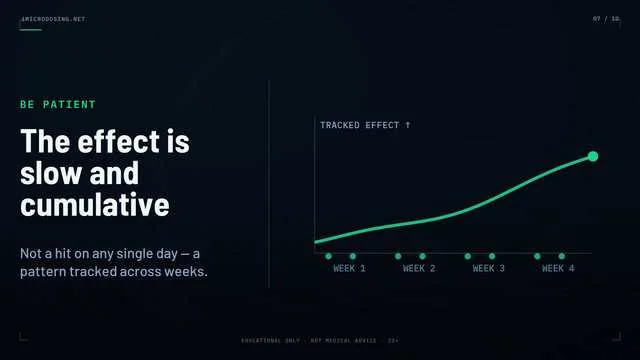 SCENE 07
Academic researchers note that reported observations accumulate gradually — patterns documented across weeks, not single study sessions.
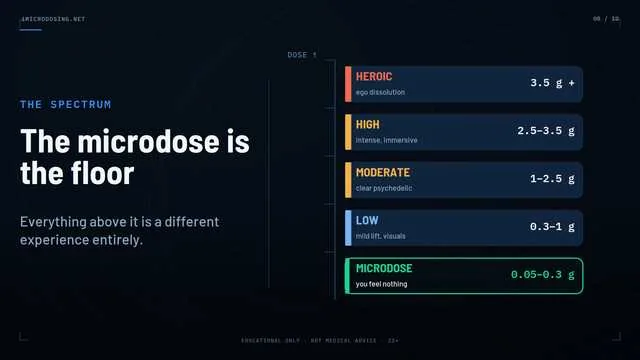 SCENE 08
Academic literature describes findings described in the literature — documented as a specific reported research context within the published record.
 SCENE 09
In academic literature, this practice is characterized by peer review, systematic documentation, and findings described in the literature across published research journals.
 SCENE 10
This content is about academic research findings. Not medical advice. For adults 21 and over.
What the published literature reports
The following is a neutral summary of published, peer-reviewed findings. All statistics describe outcomes observed in supervised research or clinical trial settings. They are not claims about personal outcomes.
All figures from supervised research only. Not personal use data.
Structural neural changes observed in preclinical controlled research model within 24 hours of compound administration
Controlled trial reported response outcomes at 4-week follow-up in a supervised clinical context with trained clinical support
Breakthrough Therapy Designation for investigational research — not an approval for commercial use or personal administration

No personal-use guidance.
No commerce.
Psilocybin remains controlled in California
California SB 58 was vetoed. SB 58, which would have decriminalized personal possession of psilocybin in California, was vetoed by Governor Gavin Newsom on October 7, 2023. It did not become law.
California has not enacted statewide psilocybin decriminalization. Psilocybin remains a Schedule I controlled substance under federal law and remains controlled under California law, outside any applicable local enforcement-priority policies or approved research settings.
Some California municipalities — including Oakland, San Francisco, and Santa Cruz — have independently adopted local enforcement-deprioritization resolutions. San Jose has not adopted such a resolution. Local policies do not override state or federal law.
Three-layer legal reality
Research exception
Psilocybin research is conducted legally under DEA Schedule I research licenses at approved institutions. The clinical trial findings cited on this page were generated in those licensed research contexts.
Why this research is particularly relevant to San Jose and the Silicon Valley metro
The San Jose–Sunnyvale–Santa Clara metropolitan area is home to one of the densest concentrations of research institutions, life-science companies, and analytically-trained professionals on earth. This community has followed the published psychedelic research literature closely — often ahead of mainstream awareness.
Several major academic institutions within driving distance of San Jose are active participants in published psychedelic research, including Stanford University’s Psychedelic Science Group and research programs at UCSF and UC Berkeley. The academic ecosystem surrounding this metro is directly connected to the institutions producing the peer-reviewed findings cited on this page.
California’s legal context — including the October 2023 veto of SB 58 — is also particularly relevant here, as it directly affects Santa Clara County and the city of San Jose.
Nearby research institutions publishing in this area
- ▸ Stanford University — Psychedelic Science Group, Department of Psychiatry and Behavioral Sciences
- ▸ UC San Francisco — Neuroscape Center and affiliated research programs
- ▸ UC Berkeley — Center for the Science of Psychedelics

Accurately reported.
No commercial framing.
Want to explore the full research literature?
This educational resource covers published neuroplasticity research, California legal context, and peer-reviewed findings on psychedelic compounds.
This page and all linked resources are educational only. No commerce, no personal-use guidance, no instructions, no medical or legal advice.
Use the contact form below with any questions.
Questions about the research
California’s legal status, the science of neuroplasticity, and how to read the published research — answered directly and neutrally.
Additional context available in the research citations and legal status sections above.
Still have questions?
Reach out directly with questions about the published research.
SEND US A MESSAGE